
 english





When starting an aquarium, many new aquarium buyers immediately think of what type of tank to purchase, how to filter an aquarium’s water, and what decorations to buy to liven up a fish’s world. One thing that does not immediately come to mind to many new fish owners is the oxygen levels that fish need to thrive. While this may seem like an added burden in caretaking your aquatic friends, air pumps provide a simplified solution to the oxygen needs of your fish. Below you can find what an aquarium pump is, how it works, alternatives to air pumps, and whether one is necessary for your tank or not.
What is an aquarium air pump?
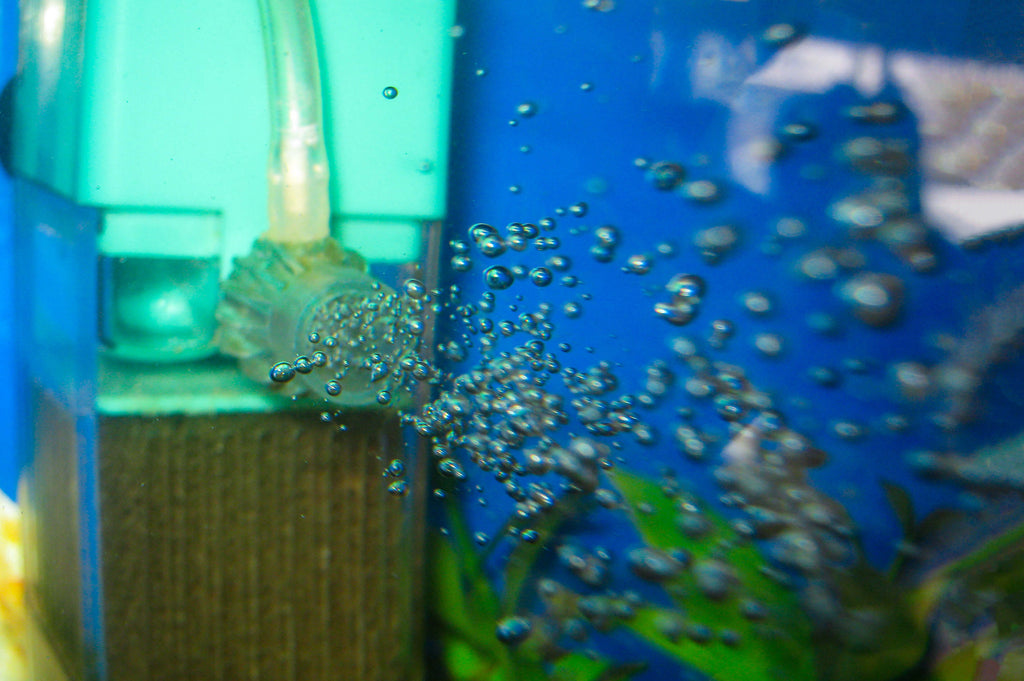
An aquarium air pump is a device that injects air into a tank’s water. At the top of a tank, oxygen enters the water and carbon dioxide is released with the help of surface agitation. Without this agitation, carbon dioxide cannot leave the water and oxygen cannot enter. Aquarium pumps influence agitation by displacing water with air bubbles. Air pumps ensure fish have enough oxygen to breathe regardless of outlying factors, such as medication’s presence in the water or photosynthesizing plant life.
How does an aquarium air pump work?
Aquarium pumps pump air into a tank’s water through airline tubing. Surface agitation is key to getting fish the oxygen they need. The stiller the water at the surface of a tank, the less likely your fish have enough oxygen to breathe. The bubbles introduced into the water by air pumps increase surface agitation, allowing more CO2 to exit and more oxygen to enter the water.
Air pumps work best in conjunction with other devices. Biological filters, for example, use bubbles created by the pump to filter contaminants from the water. Air stones, a common aquarium accessory, decrease pump noise and, when paired with a filter, improve overall filtration. Aquarium water pumps can help increase oxygen levels in water as well, but they will not oxygenate as much as air pumps.
Learn more: What Is an Aquarium Water Pump and How Does It Work?
How much oxygen do fish need?
Dissolved oxygen levels in water should hover between 5 and 7 ppm for healthy fish life. Levels below 2 ppm are an immediate danger to a fish’s life, and the water should be aerated as soon as possible. You can measure oxygen levels with a dissolved oxygen meter to ensure that your fish are breathing healthy amounts of oxygen.
Fish will develop bubbles in their skin and around their eyes if exposed to too much oxygen. The dangerous levels of oxygen in water are different for every species of fish. Generally, an appropriate amount of air in a tank is around 1 gallon per hour for every gallon of water in your tank. Air pumps have adjustable outputs, so setting a desired air output is simple.
Are aquarium air pumps necessary?
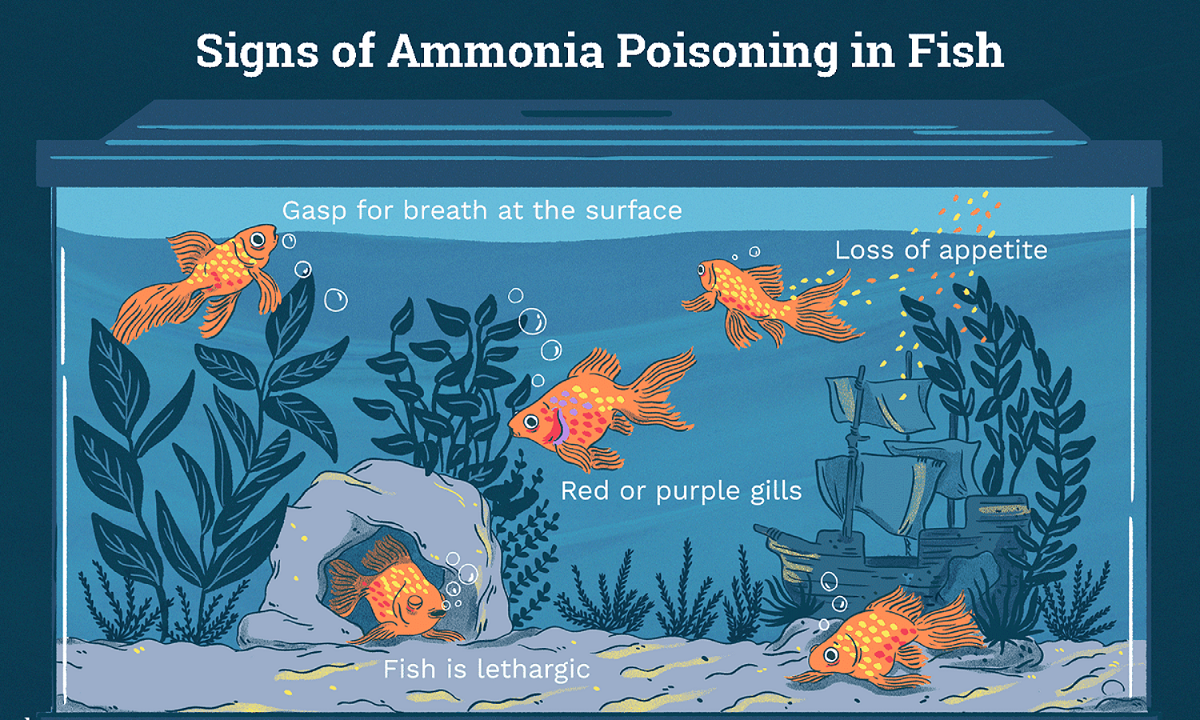
Not all tanks require air pumps. Fish can live long, healthy lives in tanks without an air pump, and fish will show signs if they are not getting enough oxygen. Some symptoms of oxygen deprivation in fish can be indicative of other causes. For example, if your fish rises to the surface of the water, it may be deprived of oxygen, or the water may contain too much ammonia. Testing your water is critical in diagnosing your fish’s symptoms. Common symptoms of oxygen-deprived fish include:
- Resting more than normal
- Seeking oxygen at the top of a tank
- Fast-moving gills
While air pumps are not always necessary, there are very few circumstances where they would not be beneficial to a tank. Some species of fish, such as bettas, prefer still water, and the presence of an air pump can agitate them. In most cases, however, air pumps benefit fish by allowing them more oxygen to breathe.
Air pumps in large aquariums
Large aquariums are more likely to need air pumps than smaller ones. The more fish there are in a tank, the higher the chemical imbalance in the water is likely to be. This imbalance can cause decreased oxygen levels and necessitate an air pump. If your fish show any of the above symptoms, an air pump will likely solve the problem.
Air pumps in medicated aquariums
Medicated aquariums can also benefit from an air pump. Some medications work by creating a film that covers the top of a tank. This film reduces surface agitation, an essential component in oxygen exchange. Since oxygen exchange occurs at the surface of the water, these types of medications can hinder the exit of CO2 and the entrance of oxygen into the water. Other medications remove oxygen from water via their chemical properties. Regardless of how they remove oxygen from the water, many medications should be paired alongside an air pump to keep your fish healthy.
Air pumps in warm water aquariums
Warm water aquariums are more likely to need an air pump than those with cooler temperatures. Oxygen levels in water gradually decrease the warmer the temperature is, so fish that prefer warm water may benefit from increased oxygen flow.
Air pumps in planted aquariums
Planted aquariums may or may not need an air pump based on the balance of plant and fish life. Plants take in CO2 during the day and release oxygen. At night, this process reverses, so they are diminishing the oxygen levels in the water and increasing the CO2 levels. In this situation, an air pump may be needed to accommodate fish in the aquarium. The necessity for an air pump depends on the volume of plant and fish life in a tank. Ensuring that a tank is not overcrowded with marine life is key to maintaining the health of your fish. The more plants and fish are in a tank, the lower the oxygen levels will be, and the greater risk your fish will be in danger.
Do saltwater aquariums need an air pump?
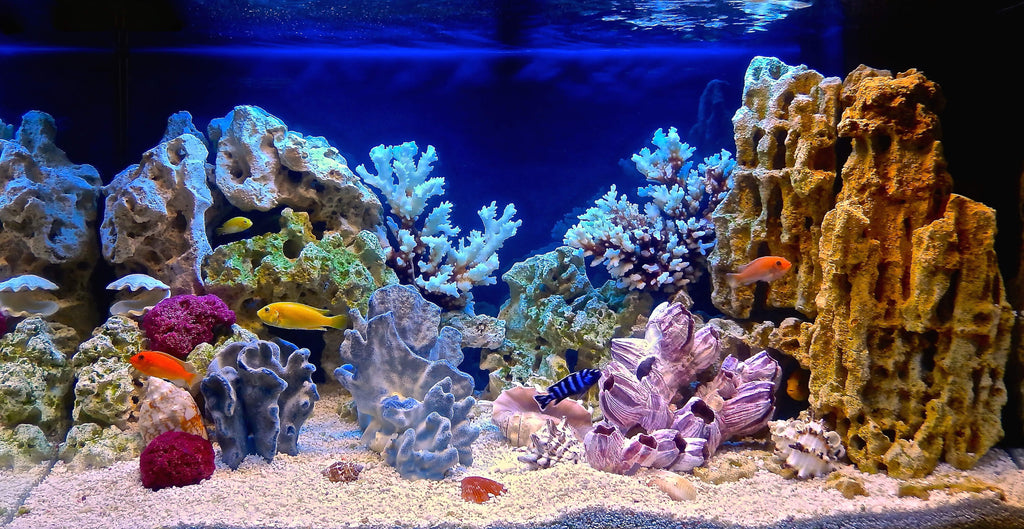
All saltwater aquariums, with the exception of small or shallow tanks, need an air pump. Saltwater tanks require less air per gallon than freshwater tanks for multiple reasons. Too much salt can rise to the surface of the tank and corrode metal equipment. In addition, many saltwater fish and plants do not deal well with too many bubbles. In this case, air stones are essential because they diminish the size of bubbles from an air pump. Fish exposed to too much oxygen develop lumps on the outsides of their bodies, so you should exercise caution with how much oxygen your air pump outputs.
Types of Aquarium Air Pumps
Aquarium air pumps all connect to a tank in the same way, and they all operate in the same capacity. Some air pumps are battery powered, and others plug straight into a wall outlet. If power outages are common where you live, battery-powered options may be more suitable for your aquarium. Regardless of the type of air pump you choose, you should pair it with an air stone.
What is an air stone?
Air stones reduce the size of the bubbles coming from the air pump, reducing noise and increasing circulation in the tank. Surface agitation also increases, causing more oxygen to enter the tank through oxygen exchange. The smaller bubbles from air stones also agitate fish less than larger bubbles. Pairing an air stone with an air pump provides an oxygen-rich, stress-free environment for your fish and will help them live healthier, longer lives.
Air stones, also known as aquarium bubblers, are made of either porous stones or limewood. The pores in an air stone take in large bubbles from an air pump and reduce them to a friendlier size for fish. This size reduction keeps the positive aeration from the pump while reducing the turbulence that large bubbles create.
Tank Maintenance
 Ammonia toxicity in fish
 What Is an Aquarium? Water Pump and How Does It Work?
 Freshwater Fish Compatibility Chart
 Popeye Disease In Fish
 Aquarium Slime Disease
 Red Blotch Disease In Corydoras Catfish