
 english




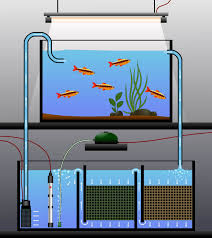
Just like humans need air circulation to
breathe properly, fish require water circulation and aeration to maintain their
health. While aquarium filters provide some circulation to your tank, water
pumps play a big role in keeping water moving and fostering robust marine life.
Aquarium water pumps allow your fish to receive the oxygen and nutrients they
need to maintain long, healthy lives. Below you can find information on what
aquarium water pumps are, how they work, their types, and how to maintain them.
What is an aquarium water pump?
An aquarium water pump is
a fish tank accessory that aerates and circulates water to make it healthier
for marine life. The current produced by a water pump ensures that all water in
a tank feeds through the tank’s filter. This constant flow evenly distributes
nutrients throughout the tank, creating high-quality water that prevents
diseases in fish. Not only do water pumps produce health benefits, but they can
also make your tank aesthetically pleasing. A water pump brings your tank to
life by making plants dynamic as they wave with the increased water flow.
How does an aquarium water pump work?
The impeller, a series of vanes surrounded by
one or two solid plates, is the heart of an aquarium water pump. An electric
motor spins the impeller to create kinetic energy. An intake port sucks water
in, and the impeller’s kinetic energy transfers to the water. This energy
forces the water into the tank, where it circulates into the tank’s filter and
eventually makes its way back into the pump. The current produced by the pump
ensures that all water in a tank is in motion, eliminating the risk of stagnant
water compromising the aquarium’s quality of life.
Do I need an aquarium water pump?
Aquarium water pumps are more beneficial to
larger tanks than they are to smaller aquariums. As a result, not all small
tanks need a water pump. A regular aquarium filter provides sufficient flow for
smaller tanks, but larger aquariums need the additional help of a water pump.
If you notice sluggishness in your fish or algae growth on your aquarium’s
surfaces, low circulation may be the cause. If these symptoms persist when your
tank’s water contains appropriate chemical levels, a water pump may be your
solution.
What is a good flow rate for my aquarium?
An aquarium water pump’s flow rate should be
at least five times higher than the volume of the tank. For example, if your
aquarium holds 40 gallons, you will want to invest in a water pump with at
least a 200 GPH (gallons per hour) flow rate. However, the advertised flow rate
of a water pump is the maximum flow rate when no obstacles are involved. These
obstacles can reduce the flow rate of a pump greatly and, as a result, affect
the flow of the aquarium. Factors that impact the flow rate of a pump include
the height of the pump head, indirect routes in plumbing, and the size of inlet
and outlet tubing used. You can attempt to mitigate these factors, or you can
purchase a water pump that produces a flow rate higher than five times the
tank’s volume.
You will want to make sure that the flow rate of your pump is
not too high for your tank. This can cause too much circulation that can harm
your fish or force water out of the tank. Many pumps come with adjustable flow
rates and timers that ensure the flow is ideal for your tank size.
Types of aquarium water pumps
There are two main types of aquarium water
pumps, submersible and in-line.
Submersible water pumps
Submersible water pumps are designed to run
inside a tank’s water. They are easy to install and maintain compared to
in-line pumps, but they rely on the aquarium’s water for cooling. Submersible
pumps dissipate heat into the tank’s water, meaning that fish that are
sensitive to temperature changes can be negatively affected.
One big advantage of submersible pumps is their quiet operation. Because they are placed in a tank, water absorbs the motor’s sound. This allows for peaceful, effective circulation in your aquarium. Some submersible pumps also contain filters that clean dirt and other debris from a tank’s water. Other submersible pumps include features such as timers, gages, LEDs, and controllers for flow rate and noise.

In-line water pumps
In-line water pumps, also called external
pumps, are not waterproof and sit outside an aquarium. Inlet and outlet tubing
route water to and from the pump. Unlike submersible pumps, in-line water pumps
do not dissipate heat back into the tank, so fish will not suffer adverse
effects from constant temperature changes. If you have other pets or small
children, they may be tempted to mess with the tubing on an external pump and
consequently compromise the health of your aquarium. Ensuring that your pump
will not be disrupted is essential in maintaining the health of an aquarium
with an external pump.
One disadvantage of in-line water pumps is the effect gravity has on them. Since water must be piped out of the tank to be pumped back in, the pump’s inlet and outlet must be powerful enough to feed water into the pump and out of the tank. Choosing the proper location for your in-line pump can mitigate the effect of gravity, so optimizing your setup is crucial in running an efficient pump. Another disadvantage of in-line pumps is the noise they create. Because they are placed outside of a tank, there is no water to suppress the motor’s sound. As a result, in-line pumps are much louder than submersible pumps.


How to clean an aquarium water pump
An aquarium water pump should be cleaned at
least once every 4 to 6 months in a fish-only tank and once every 2 to 3 months
in a reef tank. To clean a pump, follow these steps:
1. Turn off your pump and unplug the power
source.
2. If you are cleaning an external pump, remove
the inlet and outlet tubing.
3. If your pump is in a sump, remove it from the
controller and sump.
4. Remove the main housing from the pump. Some
pumps may contain screws, while housings in other pumps can simply be twisted
off.
5. Remove the impeller.
6. Clean the impeller and housing of the pump
with fresh water. You can use a toothbrush to eliminate hard-to-remove debris.
7. If there is calcium on your pump, create a
solution with one-part muriatic acid for every three-parts citric acid. Allow
the pump to soak and rinse thoroughly.
8. Allow the pump to dry.
9. Reassemble the pump.
10. Reconnect the power and tubing if applicable.
Your pump is ready to use.
Aquarium water pump vs air pump
Aquarium water pumps and air pumps add similar
contributions to tanks, but they offer some unique features as well. An air
pump adds air to a tank directly in the form of bubbles. Water pumps, on the
other hand, aerate a tank by increasing surface agitation. The current created
by water pumps allows air to enter the water at the surface of a tank more
quickly than if the water were slower moving.
Noise levels are another difference between water and air pumps.
In-line water pumps and air pumps both produce a fair amount of noise, but
submersible water pumps can run silently. A silent option for air pumps is
an air stone. However,
air stones do not provide as much oxygen as pumps do, but they do provide less
aggressive smaller bubbles.
Both water and air pumps increase circulation in a tank. This
allows the tank’s filter to input and output water at a constant rate. Some
species, such as bettas, prefer very little movement in their water. As a
result, air and water pumps are not beneficial to them.
Learn more: What Is an Aquarium Air Pump
and Is It Necessary?
Does an aquarium pump need to run all the time?
Yes, both water and air pumps in an aquarium
should run constantly. They both serve as life support for the aquarium, so
fish and plant life will suffer if they are turned off.
What is an aquarium water pump? Why it is important?
 Ammonia toxicity in fish
 Freshwater Fish Compatibility Chart
 Popeye Disease In Fish
 Aquarium Slime Disease
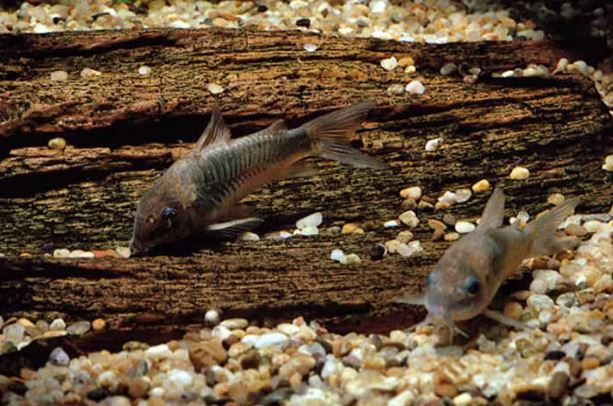 Red Blotch Disease In Corydoras Catfish